
A Pilot Study on Balance and Cognitive Functions of Cochlear Implant Recipients in Universiti Kebangsaan Malaysia
Balance and Cognitive Functions in CI Patients
Vol. 21 No. 2 : 2026 (897-913)
Abstract
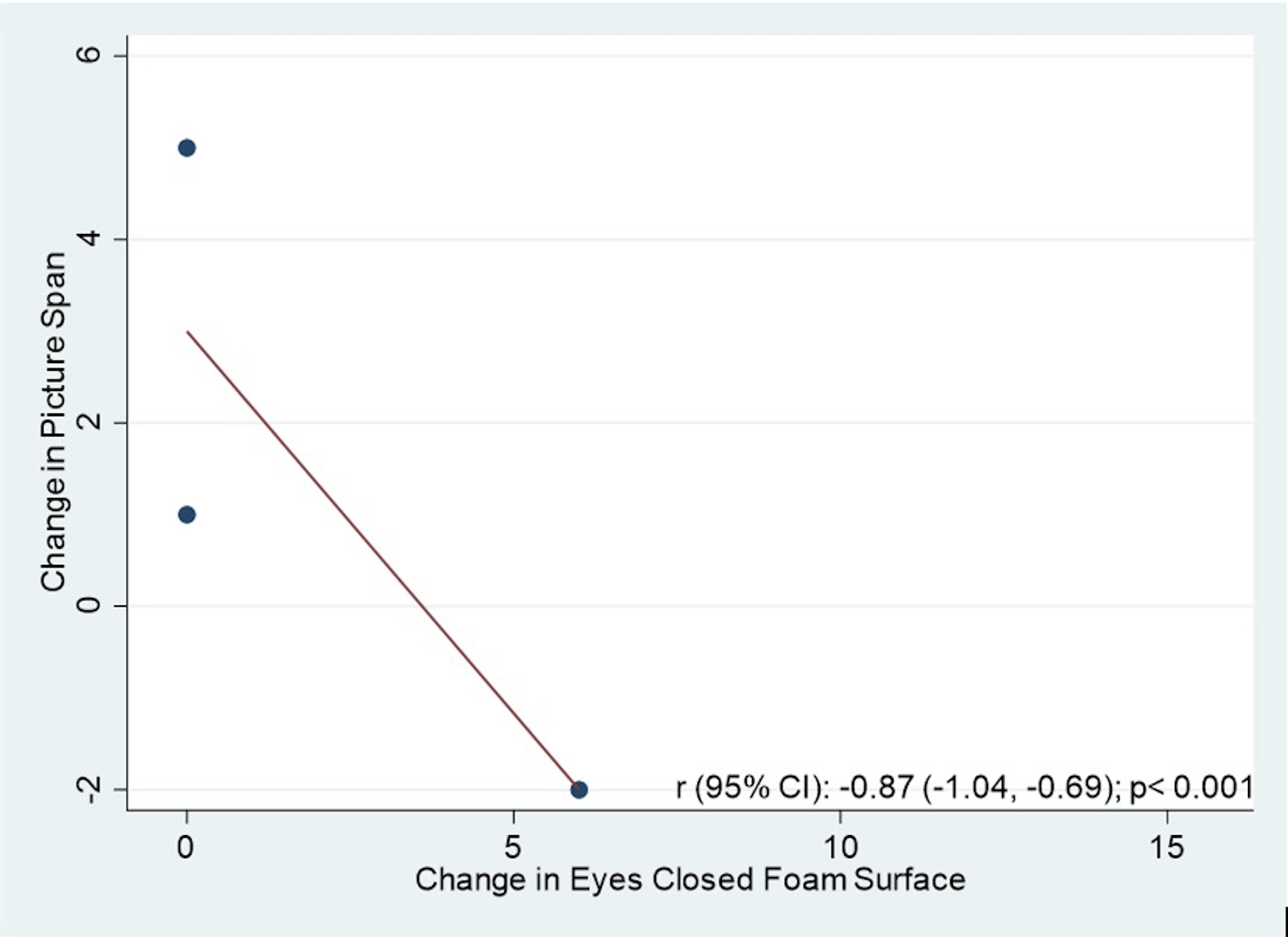
Cochlear implantation (CI) has proven to be effective in treating severe-profound sensorineural hearing loss in paediatric and adult patients. Besides hearing restoration in the deaf, there has been growing evidence suggesting that CI may be associated with improvement in cognitive and balance functions. This study investigated the balance and cognitive functions among Universiti Kebangsaan Malaysia (UKM) CI recipients. It was a pilot, cross-sectional study. A total of 13 patients were recruited via the UKM cochlear implant program. Suitable patients underwent pre-operative testing as a baseline followed by a repeat of balance and cognitive assessments after at least 3 months post-cochlear implantation. Balance tests used were Modified Clinical Test of Sensory Interaction and Balance or Paediatric Clinical Test of Sensory Interaction and Balance). Age-appropriate cognitive tests used were Wechsler Preschool and Primary Scale of Intelligence - 4th Edition, Wechsler Intelligence Scale for Children – 5th Edition and Wechsler Adult Intelligence Scale - 4th Edition. The statistical analysis showed an increase in cognitive subtest scores post-CI: Similarities and Digit Span. No significant changes were seen in balance function. There was a negative correlation seen between cognitive function subtest Picture Span and balance function (eyes closed, foam surface condition). This study suggests that cochlear implantation may enhance certain domains of cognitive function. There also appears to be a correlation between cochlear implantation, balance and cognitive performance.
Keywords :
Cochlear implants; cognition; hearing loss; postural balance; sensorineural,
Correspondance Address
*Correspondence: asmappukm@gmail.com, drasma@ukm.edu.my


