Fatal Wilkie’s Syndrome Complicated by Aspiration Pneumonia in an Adolescent with Autism: A Case Report
Fatal Wilkie’s Syndrome in An Adolescent with Autism
Vol. 21 No. 1 : 2026 (563-569)
Abstract
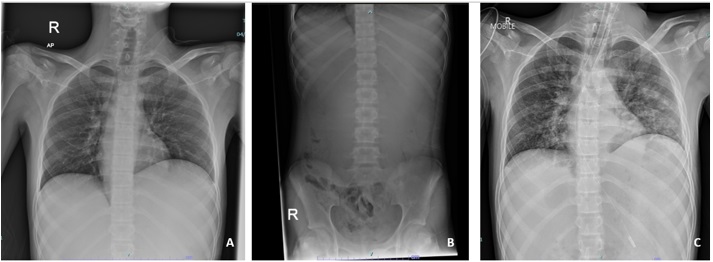
Superior mesenteric artery syndrome (SMAS), or Wilkie’s syndrome, is a rare cause of duodenal obstruction, whereby the duodenum is compressed between the superior mesenteric artery (SMA) and abdominal aorta (AA) due to a loss of mesenteric fat pad. This condition is associated with high morbidity and mortality, particularly if the diagnosis is delayed, leading to complications such as gastric perforation or aspiration pneumonia. A 14-year-old boy with an underlying severe autism spectrum disorder, complained of a two-day history of abdominal pain and vomiting, suggestive of gastric outlet obstruction, leading to hyperlactatemia and metabolic acidosis. An immediate contrast-enhanced computerised tomography revealed a significant dilatation of the lower esophagus until the D3 segment of the duodenum, narrowing of the aortomesenteric angle, and shortening of the aortomesenteric distance, findings suggestively of duodenal obstruction secondary to SMAS. However, patient subsequently developed persistent vomiting leading to aspiration pneumonia. He rapidly deteriorated into septic shock with multiorgan failure, ultimately leading to his death. This case report aimed to highlight the challenges in diagnosing and managing SMAS particularly in autistic children as they may have difficulty communicating their distress, and there is a potential of rapid deterioration that requires prompt escalation of care.
Keywords :
Aspiration pneumonia; autism spectrum disorder; fatal outcome; superior mesenteric artery syndrome,
Correspondance Address
Ismail Mohd Saiboon. Department of Emergency Medicine, Faculty of Medicine, Universiti Kebangsaan Malaysia, Jalan Yaacob Latif, Bandar Tun Razak, 56000 Kuala Lumpur, Malaysia. Tel: +6019 3200297 E-mail: fadzmail69@yahoo.com.my